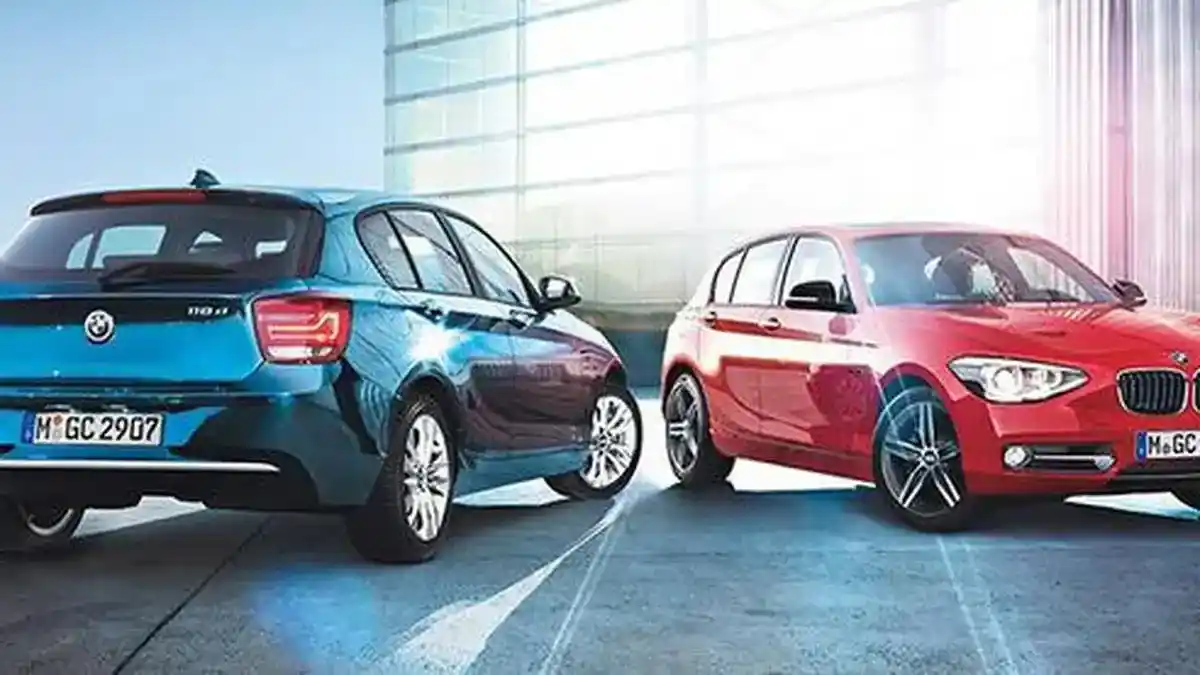
India's luxury car market is witnessing a significant shift with structured ownership plans becoming increasingly popular, driven by programmes like BMW 360° and Mercedes-Benz's Star Agility+. The country's structured ownership ecosystem is estimated to be worth ₹4,500-5,000 crore, with penetration rising from 18-20% to 35-40% of luxury vehicle sales over the past three years.
Financial Flexibility Fuels Luxury Car Sales
These plans allow customers to finance only the vehicle's expected depreciation, rather than its full purchase price, significantly reducing monthly costs. For instance, BMW's 360° programme enables customers to lower their monthly payments by nearly 50%, making luxury cars more accessible to a wider audience. Industry executives estimate that nearly one in every two luxury cars sold in FY27 will be under some form of structured ownership programme.
Market Trends and Growth Projections
The luxury passenger vehicle market in India is expected to grow from 47,000 units in FY25 to 52,000 units in FY26, with structured ownership products driving much of this growth. Analysts project that vehicles sold under Guaranteed Future Value (GFV) and assured buyback programmes will rise from 13,200 units in FY25 to 18,200-20,800 units in FY26. In luxury EVs, penetration is expected to reach 75-80% as buyers seek protection against battery depreciation and rapid technology changes.
The appeal of structured ownership plans extends beyond lower monthly repayments. For automakers, these programmes create future inventory for their certified pre-owned businesses, allowing them to monetise the same asset twice while maintaining control over residual values and replacement cycles. As the model gains traction, it is expected to expand beyond luxury brands into the ₹15 lakh-₹35 lakh premium passenger vehicle segment.
Industry Implications and Future Outlook
As the Indian automotive market continues to evolve, industry experts believe that structured ownership plans will become a structural retail strategy for automakers. With companies like Volkswagen, Škoda, and Maruti Suzuki introducing assured buyback programmes, the trend is expected to gain further momentum. Analysts predict that the model will not only drive growth in the luxury car segment but also reshape consumer behavior and expectations in the broader automotive market.
- Luxury car market growth: 47,000 units (FY25) to 52,000 units (FY26)
- Structured ownership penetration: 35-40% (FY25), expected to reach 50% (FY27)
- Guaranteed Future Value (GFV) programmes: ₹4,500-5,000 crore ecosystem in India


