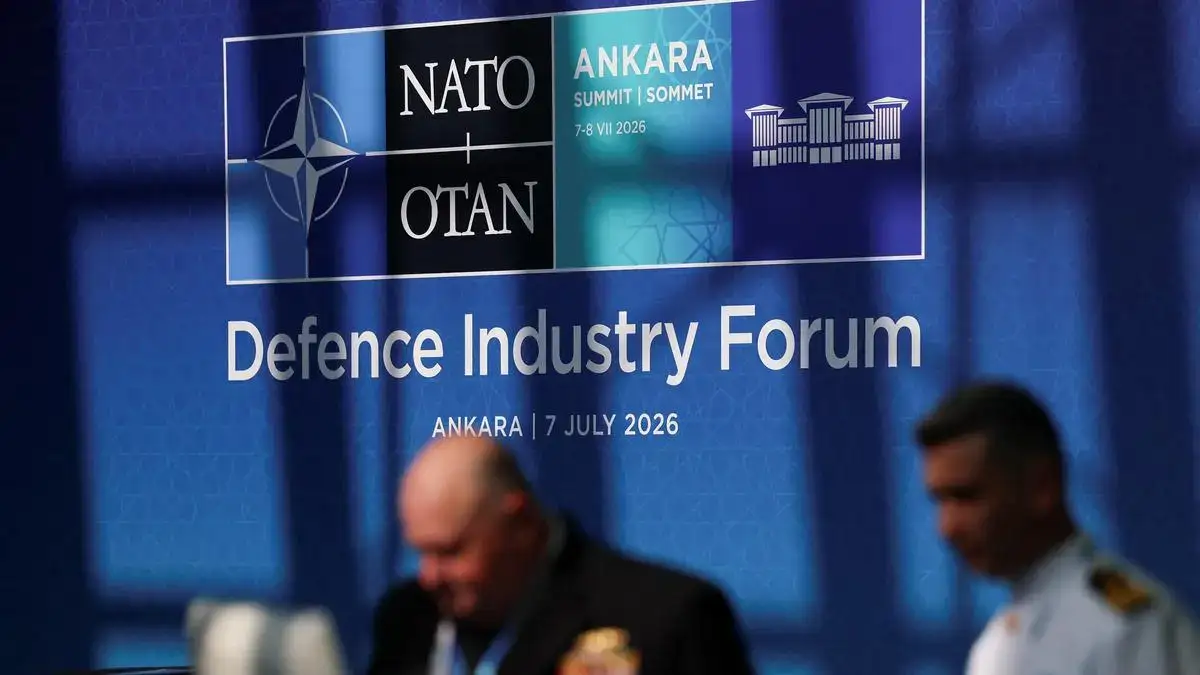
NATO is set to unveil a series of new military projects worth tens of billions of dollars, with the European Union committing up to $170 billion in defense spending through a system of cheap loans. This move aims to convince US President Donald Trump that European allies are stepping up their defense spending and converting investments into real firepower.
NATO's Defense Spending Boost
The military alliance's efforts to boost defense spending come as the US shifts its focus to the Indo-Pacific region and warns European allies to handle their own security. The Pentagon is promoting "NATO 3.0," a vision where Europe assumes greater responsibility for its defense, freeing the US to concentrate on other priorities. NATO Secretary-General Jens Stoltenberg (not Mark Rutte, who is actually the Dutch Prime Minister and not the NATO Secretary-General) emphasized the need to translate economic might into military capabilities.
Some of the key projects include replacing NATO's aging fleet of surveillance planes, with some contracts already signed and others expected to be announced during the summit. The EU's defense fund will play a crucial role in financing these projects, with up to $170 billion raised on capital markets. Here are some key defense spending figures:
- NATO target: 2% of GDP on defense spending
- UK target: 3.5% of GDP by 2035
- EU defense fund: up to $170 billion
- European allies and Canada's defense spending since 2017: $1.2 trillion
Implications for Investors and Businesses
The increased defense spending has significant implications for investors and businesses, particularly those in the defense industry. Companies like Lockheed Martin, Boeing, and BAE Systems are likely to benefit from the new contracts. Investors should watch for announcements on specific deals and the impact on the companies' stock performance. The shift in US focus towards the Indo-Pacific region also presents opportunities for European defense companies to fill the gap.
As the summit unfolds, experts will be watching for signs of a more robust European defense strategy. The success of NATO's efforts to boost defense spending will depend on the ability of member countries to translate commitments into tangible military capabilities. With rising threats from Russia and concerns over US commitment to European security, the stakes are high for the alliance.


