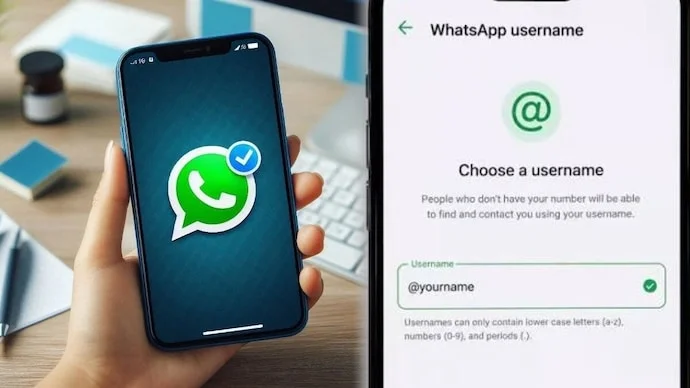
The Indian government has granted WhatsApp a three-day extension to respond to concerns over its planned username feature, which could potentially facilitate online fraud and other malicious activities. The Meta-owned messaging app has assured authorities that it will not introduce the feature in India until ongoing discussions are concluded.
Govt Concerns Over Username Feature
The Ministry of Electronics and Information Technology (MeitY) had issued a notice to Meta last week, expressing concerns that the username feature could be misused for phishing, impersonation, and "digital arrest" scams if adequate safeguards are not put in place. WhatsApp was originally required to respond by July 3, but the company sought more time to submit its response.
WhatsApp's Assurance and Next Steps
A Meta delegation met with IT Ministry officials on July 3, assuring them that the username feature will not be rolled out in India until consultations are complete. WhatsApp has maintained that users will still need a phone number to create and use an account, and that usernames of public figures, government entities, and verified Meta accounts will be reserved to prevent impersonation.
The IT Ministry has also issued notices to other messaging platforms, including Telegram and Signal, seeking details on how their existing username-based systems address concerns related to fraud and impersonation. With an estimated 500 million users in India, WhatsApp's plans have significant implications for the country's digital landscape.
- WhatsApp has 500 million users in India
- Telegram's user base in India is considerably smaller
- Username feature is still under development and expected to be introduced later this year
The government's scrutiny of WhatsApp's username feature highlights the ongoing efforts to regulate digital platforms and prevent online misuse. As the situation develops, users and stakeholders will be watching for further updates on the feature's rollout and the measures taken to address concerns around online safety.