India's Census 2027 rehearsal, which commenced on July 6, 2026, in 16 states and union territories, includes an "open column" for respondents to record their castes, officials involved in the exercise confirmed. This development provides insight into the potential methodology for caste enumeration in the upcoming national census.
Census 2027: A Digital First with Caste Enumeration
The Census 2027 is notable for being the first digital census in India and the first to enumerate caste in independent India beyond Scheduled Castes (SCs) and Scheduled Tribes (STs). The second phase, known as Population Enumeration (PE), will record the castes of all residents. Officials clarified that the current pre-test is not the final methodology, and feedback from this exercise will inform the final approach.
Methodology and Pre-Test Details
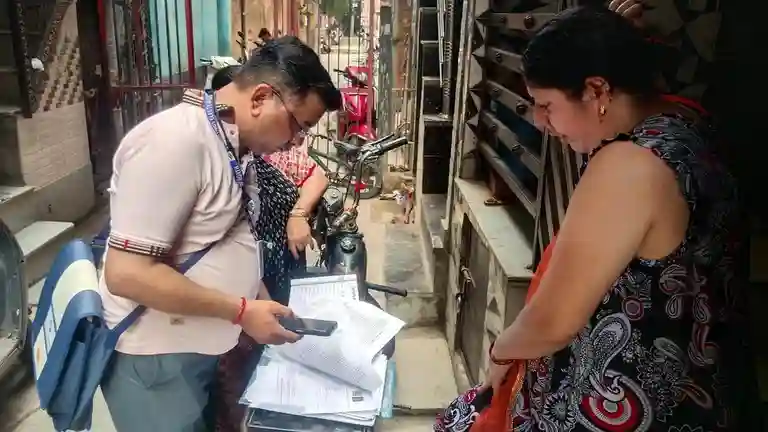
The pre-test allows self-enumeration through a portal that was accessible from July 1 to 5 in specific areas. In Faridabad, Haryana, the exercise covers 17 enumeration blocks with around 650 to 800 people each. Officials explained that while SC and ST communities will be enumerated with codes as before, others will have an open column to fill in their caste.
The decision to include an open column for caste enumeration has sparked debate among scholars, with some referencing the 2011 Socio-Economic Caste Census (SECC), which returned over 46 lakh different "caste names" due to varied understandings of caste. The government has previously questioned the reliability of the 2011 SECC data due to "errors" in collection.
- Total number of castes during the 1931 Census: 4,147
- Number of different "caste names" returned in the 2011 SECC: over 46 lakh
The final census questionnaire is expected to be known by September, with the PE phase scheduled for February 2027 across most of the country. The outcome of the pre-test and the subsequent methodology for caste enumeration will be closely watched as the census progresses.