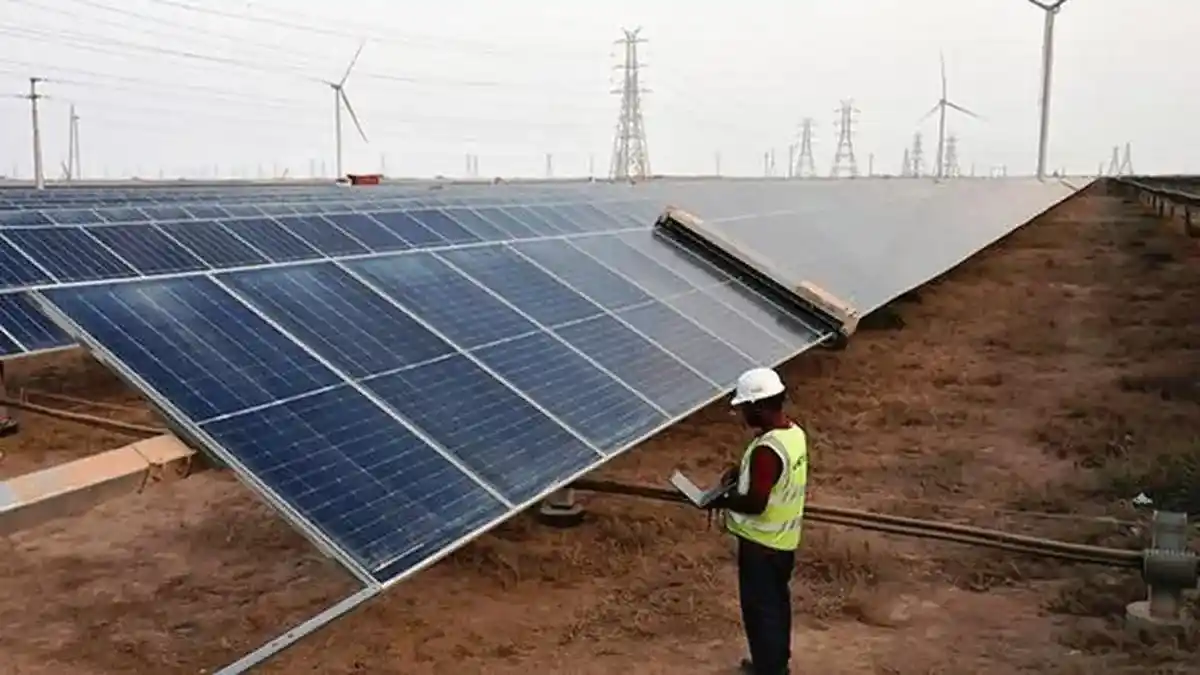
Jammu and Kashmir has achieved 44% of its residential rooftop solar target under the PM Surya Ghar: Muft Bijli Yojana, with 37,138 installations completed against an 83,500 goal as the March 2027 deadline looms. The Union Territory now faces an execution bottleneck, with over half the installations pending despite 57,000 beneficiaries finalizing vendor agreements.
Execution Lags Despite Strong Demand
The residential program has added 133.40 MW of capacity, with beneficiaries receiving ₹291.38 crore in Central Financial Assistance. An additional ₹10.50 crore subsidy from the J&K government aims to accelerate adoption. The shift from enrolment to installation speed is now critical to meeting the 2027 target.
Government building solarisation shows similar trends: only 8,131 of 22,494 identified buildings have rooftop systems installed, covering 36% of the target. Under the CAPEX model, 3,338 buildings (46.30 MW) are operational, with materials supplied or in transit for 2,262 more.
RESCO Model Gains Traction
Work orders for 1,360 government buildings have been issued under the Renewable Energy Service Company (RESCO) model, part of a plan to develop 175 MW across 8,000 public buildings. The dual CAPEX-RESCO approach signals a scaled push to bridge the gap before the deadline.
The data underscores a race against time: while consumer demand is confirmed, execution capacity will determine whether J&K meets its commitments under the national rooftop solar mission.


