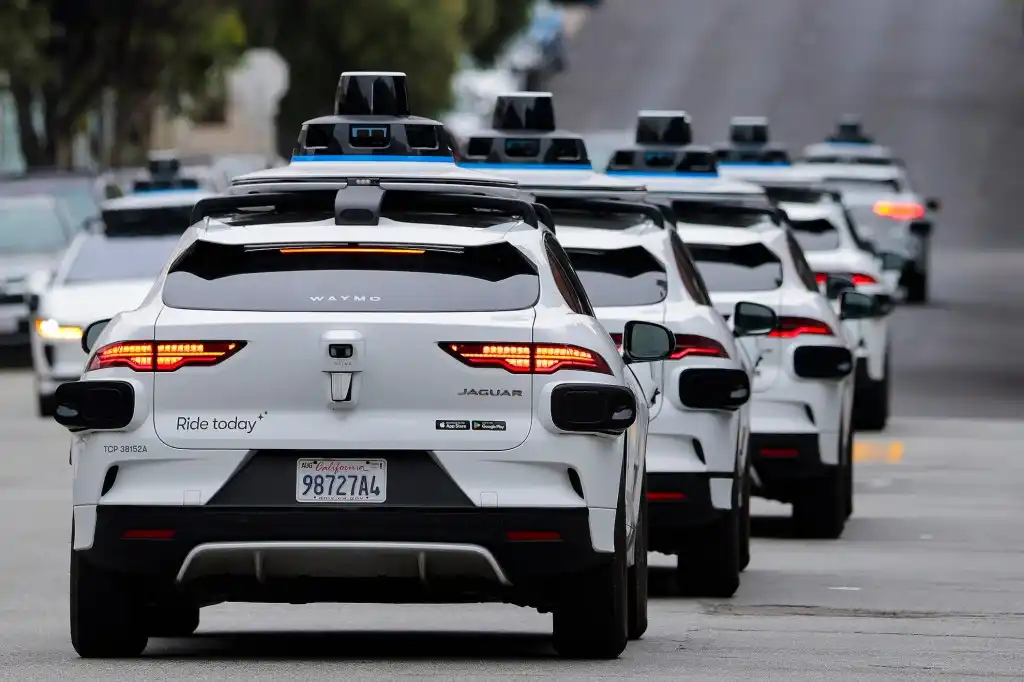
The robotaxi industry is at a crossroads: Uber and Waymo are parting ways in Phoenix, and federal regulators just issued a stark warning to all autonomous vehicle developers. The message? Fix how your cars interact with first responders—or face consequences.
Uber vs. Waymo: The Robotaxi Rivalry Heats Up
Uber and Waymo’s robotaxi alliance in Phoenix has officially ended, though their partnerships in Atlanta and Austin remain—for now. The bigger question isn’t if these deals will dissolve, but when. And once they do, expect the gloves to come off. Uber executives have already taken thinly veiled swipes at Waymo, hinting at a looming battle over market access and policy influence.
Waymo, which operates the largest robotaxi fleet in the U.S. (with vehicles in Los Angeles, Phoenix, and San Francisco), has faced repeated criticism for blocking emergency scenes. A recent TechCrunch investigation highlighted these incidents, and now San Francisco officials are probing how Waymo’s cars contributed to gridlock during a July 4 fireworks event—with some vehicles even running out of power and needing tows.
NHTSA’s Call to Action: AVs Must Yield to First Responders
National Highway Traffic Safety Administration (NHTSA) Administrator Jonathan Morrison didn’t mince words in a new directive: AVs interfering with first responders is “unacceptable.” In a letter to all developers listed in the DOT’s Standing General Order, Morrison called such failures a “functional insufficiency,” noting that emergency scenes aren’t rare “edge cases.”
The agency has demanded solutions from AV companies by the end of the month. While the letter doesn’t name names, Waymo’s track record makes it a likely target. Whether this leads to real penalties remains to be seen, but the pressure is mounting.
Regulatory Shifts and Funding Moves Shaping the AV Landscape
The federal government is also updating its 2026 Regulatory Plan, proposing changes to vehicle safety standards that could benefit companies like Tesla and Zoox—both developing cars without steering wheels or pedals. Meanwhile, Rivian just secured $1.32 billion in new capital to scale production of its R2 SUV, after exceeding Q2 sales expectations.
Other notable moves:
- Bidbus raised $15M for its digital car auction marketplace.
- Lyft plans to acquire Serveo’s bike-share business in Spain.
- TaiSan, a U.K. battery startup, landed £4.65M in seed funding.
What’s Next for Robotaxis and AV Tech?
With Uber and Waymo’s partnership fraying and regulators tightening the screws, the robotaxi industry is entering a pivotal phase. Expect more direct competition between AV giants, stricter safety scrutiny, and a race to prove these vehicles can coexist with human-driven traffic—and first responders. For now, all eyes are on how companies respond to NHTSA’s ultimatum by month’s end.


