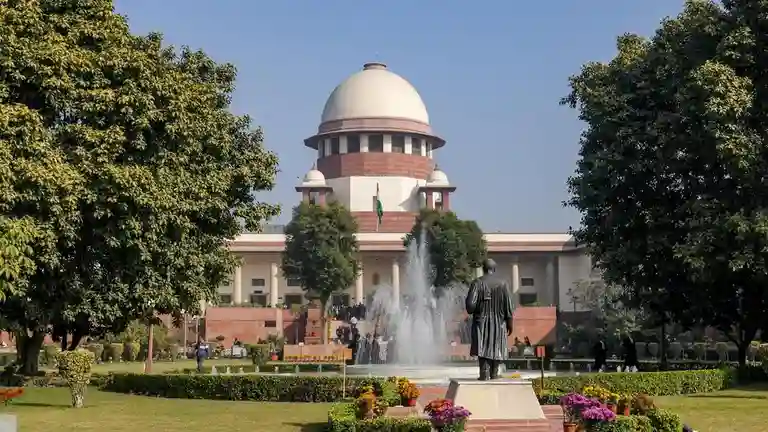
The Supreme Court on Thursday transferred contempt petitions alleging violations of its 2024 judgment on ‘bulldozer justice’ to High Courts, stating that fact-specific inquiries were better handled at the state level.
A three-judge Bench, led by Chief Justice of India Surya Kant, ruled that the apex court could not feasibly hear all such cases, as each involved disputed facts requiring separate examination. The order comes less than two years after the Supreme Court declared illegal demolitions by state authorities—particularly targeting properties of accused individuals—as an arbitrary use of power.
Background: The 2024 Judgment on Demolitions
In November 2024, the Supreme Court condemned the "chilling sight of a bulldozer demolishing a building" without due process, terming it a lawless state where "might was right." The judgment mandated due process before demolitions and held erring officials personally liable for contempt and restoration of demolished properties.
Court’s Reasoning for the Transfer
Justice Surya Kant noted that High Courts were better equipped to assess contempt petitions, suggesting dedicated Benches for such cases. Justice Joymalya Bagchi clarified that the 2024 judgment did not restrict contempt proceedings to the Supreme Court, while Justice S.V. Mohana questioned whether all violations warranted direct apex court intervention.
Senior advocates Huzeifa Ahmadi and C.U. Singh argued that demolitions had persisted despite the 2024 ruling, with Ahmadi citing targeted actions and Singh describing continued defiance. The court, however, finalized the transfer order, allowing interim protections to remain in place. Petitioners were given two days to file additional factual submissions before the order’s publication.