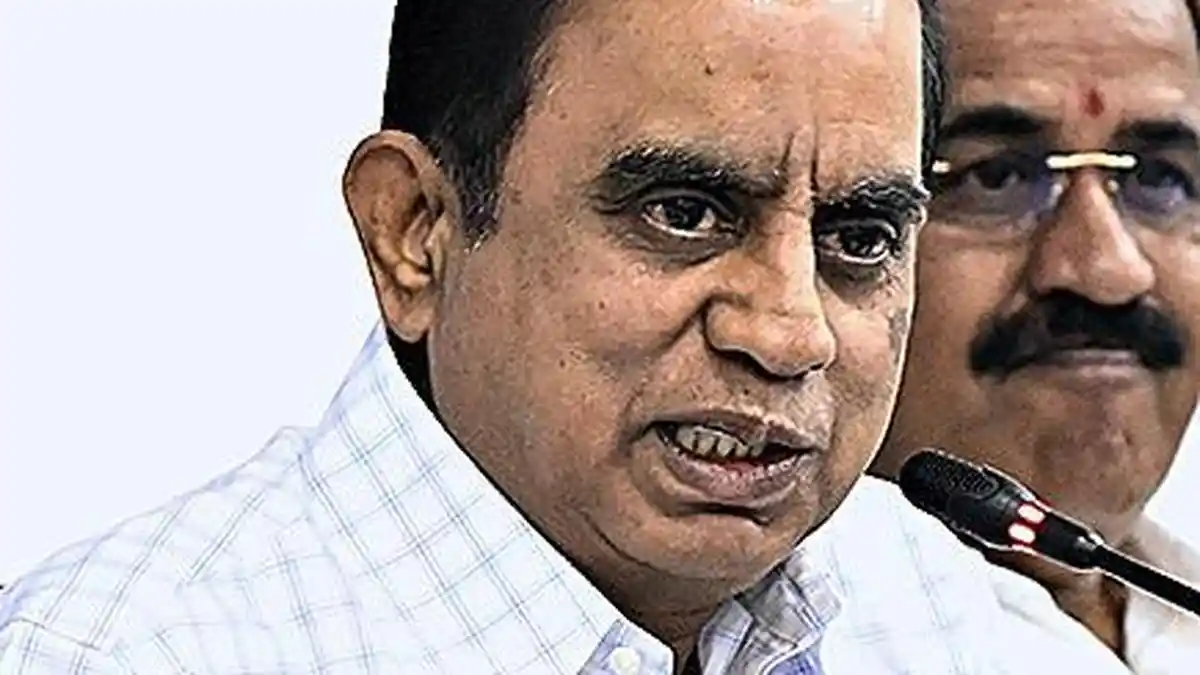
Telangana’s Special Intensive Revision (SIR) of electoral rolls may identify over one crore anomalies, the state’s Chief Electoral Officer C. Sudharshan Reddy said. The discrepancies stem from mismatches between current voter data and 2002 records, with 88 lakh cases already flagged in pre-SIR mapping.
How the SIR process works
Voters received pre-filled enumeration forms containing their name, address, photo, and Booth Level Officer (BLO) details. They must verify or update information in three sections: personal details from 2002, parents’ 2002 voter details if the elector was not registered then, or current details if earlier sections are left blank. Incorrect entries cannot be replaced with photocopies; voters must use the original form.
Name mismatches or gaps in familial data trigger notices. Voters must respond with one of 11 approved identity documents. Those who shifted residences but not their voter registration can either collect forms from their old address or submit Form 8 for address changes during August. Fresh applications require Form 6 and one of 12 listed documents.
10 types of discrepancies identified
The software flagged 10 anomaly categories, including:
- Less than 9 months between progeny
- Less than 15 years age gap between parent and progeny
- Greater than 50 years age gap between progeny and parent
- Less than 40 years age gap between elector and grandparent
- Different parent name between current and 2002 records
- Mismatched relative type (e.g., father vs. husband)
- Different father’s name in current vs. 2002 data
- Incorrect age difference between current and 2002 records
Next steps for voters
Electoral Registration Officers (EROs), acting as quasi-judicial authorities, will issue notices for discrepancies. Voters must provide valid documents to resolve issues. Duplicate entries—demographically similar but not anomalies—are handled separately, with EROs verifying voter intent before removal. Penal action may follow if voters submit forms for multiple registrations.
Urban areas account for most discrepancies. The Election Commission’s software, refined after transliteration errors in West Bengal, reduced initial mismatch rates from 89% to 37%. Final anomaly counts will rise post-exercise, Reddy noted.