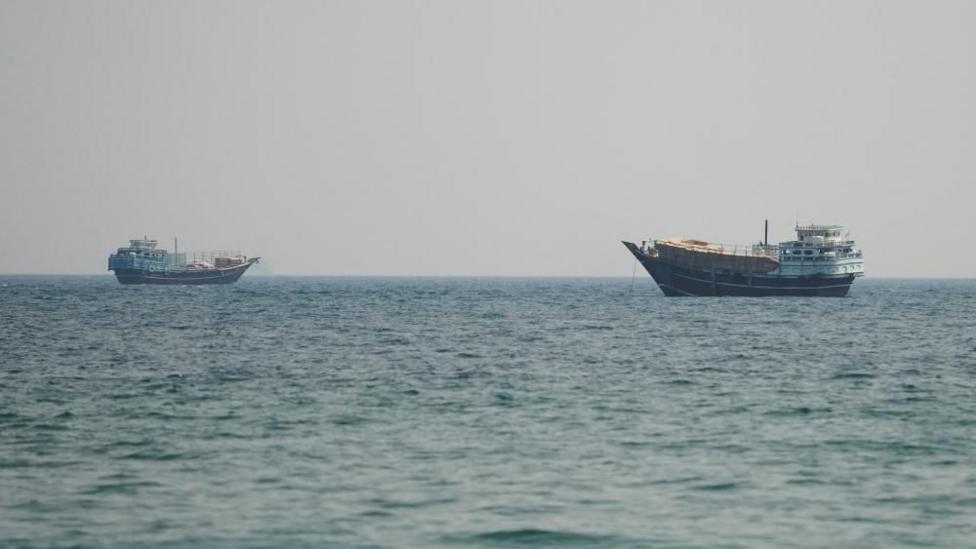
Iran launched missile and drone attacks on U.S. military targets in Jordan and Kuwait on July 15, 2026, as the United States reimposed a naval blockade on Iranian ports. Jordan’s military confirmed it shot down three Iranian missiles targeting the kingdom.
Retaliatory Strikes and Escalating Tensions
Iran’s Islamic Revolutionary Guard Corps (IRGC) stated it targeted U.S. Fifth Fleet facilities in Bahrain, citing American actions in the Indian Ocean and efforts to control the Strait of Hormuz. The IRGC warned that if Washington blocks regional oil and gas exports, other export routes serving U.S. interests could also be closed, declaring energy exports would be “for everyone or for no one.”
Separately, Iran’s army claimed it struck the Al-Azraq base in Jordan with drones, while the IRGC said it fired cruise missiles at a U.S. logistics center in Kuwait’s Mina Abdullah. Both attacks followed U.S. airstrikes on Iran for a fourth consecutive day.
U.S. Response and Economic Impact
U.S. President Donald Trump warned of expanded strikes on Iranian power plants and bridges if Tehran does not negotiate. “Next week it gets really bad for them because next week comes the power plants. Next week comes the bridges,” he told Fox News on July 14.
Oil prices surged on July 15, with Brent crude rising 1.72% to $86.19 per barrel and West Texas Intermediate up 1.4% to $80.40. The U.S. Central Command (CENTCOM) stated its latest strikes aimed to degrade Iran’s ability to attack commercial shipping in the Strait of Hormuz.
Maritime Chaos in the Strait of Hormuz
An Indian seafarer aboard a tanker transiting the strait on July 13 described conflicting orders from Iranian and U.S. forces. The Very Large Crude Carrier (VLCC), carrying over two million barrels of oil, navigated the southern route near Oman amid threats and incentives from both sides.