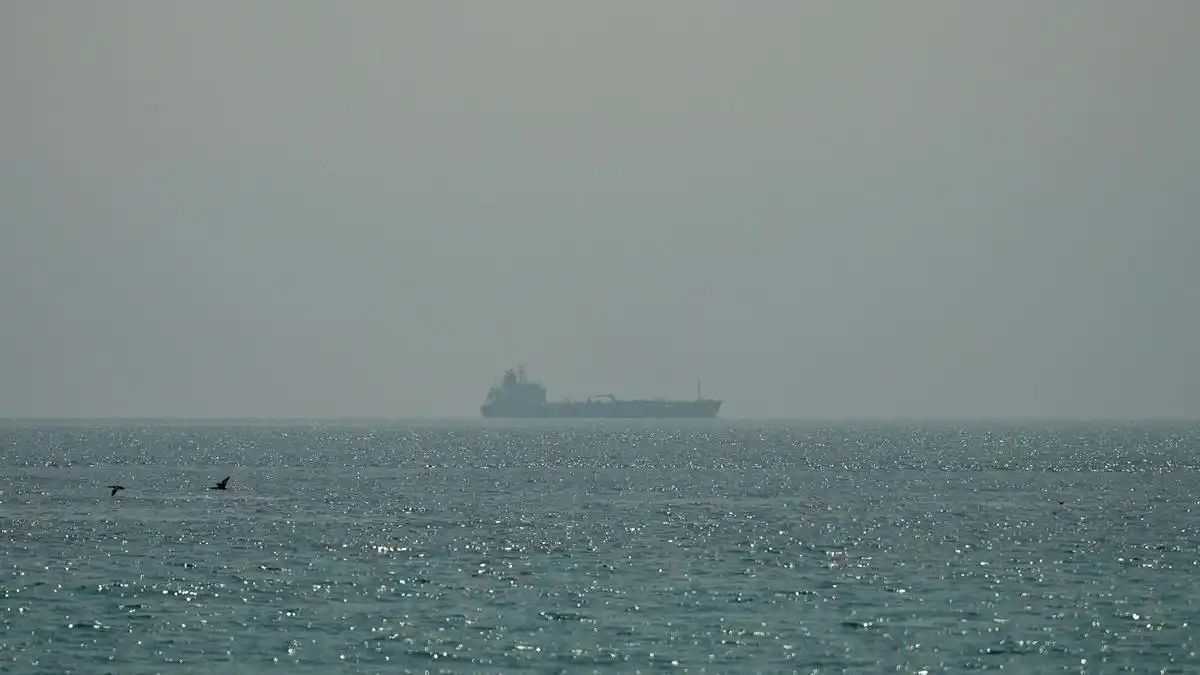
Two Emirati oil tankers were struck by Iranian cruise missiles in the Strait of Hormuz on July 13, 2026, killing one Indian crew member and wounding six others, the UAE Ministry of Defence confirmed. The attack occurred in Omani territorial waters, marking the latest escalation in the strategic waterway.
Casualties and damage from the Strait of Hormuz attack
The Mombasa and Al Bahiyah tankers were targeted in the southern shipping lane, with the fatality occurring aboard the Mombasa. Of the eight wounded, six were Indian nationals and two were Ukrainian. Four of the injured were reported in serious condition.
Fires broke out on both vessels after the strikes, causing material damage. The UAE Ministry of Defence stated that the fires were later brought under control.
Regional response and rising Gulf tensions
The UAE condemned the attack as a "blatant escalation" and reserved its right to respond, emphasizing its readiness to counter threats to its security. Separately, the UK Maritime Trade Operations agency reported a tanker hit by an unknown projectile 40 nautical miles northeast of Oman’s Qalhat, though it was unclear if this was the same incident.
Iran has not commented on the strikes. The attacks follow weeks of heightened tensions after the U.S. and Israel launched strikes on Iran on February 28, prompting a broader regional conflict. On July 13, U.S. President Donald Trump announced a reinstated blockade of Iranian shipping in the Gulf, vowing to keep the Strait of Hormuz open—for a fee—and warning of further strikes.
Economic stakes in the Strait of Hormuz
Before the conflict, the Strait of Hormuz handled about a fifth of the world’s oil and gas traffic, with over 15 million barrels of fuel worth at least $1.2 billion passing through daily. The latest violence throws into doubt an interim U.S.-Iran agreement signed last month to reopen the strait and halt hostilities.