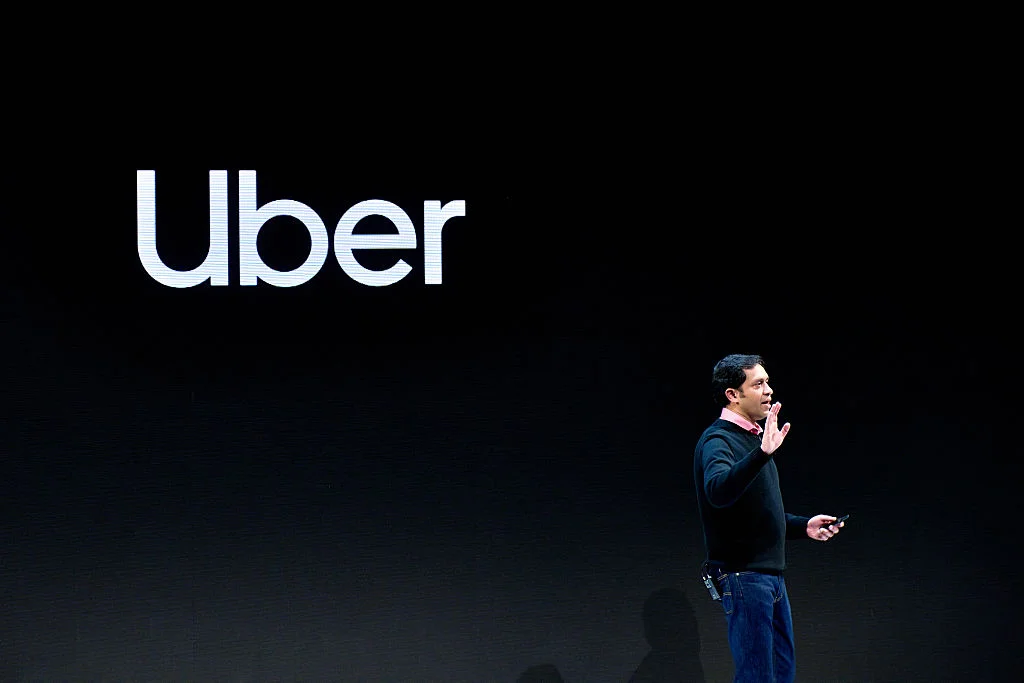
Uber is quietly transforming from a ride-hailing giant into a multi-service travel and logistics platform, adding hotel bookings, AI-powered shopping, and even boat rentals to its app. The shift reflects a strategic push into travel, financial services, and autonomous vehicle data—without chasing the "everything app" model of Asian competitors like Grab.
Uber’s travel push: Hotels, boats, and AI shopping
With 1.5 billion annual trips happening outside users’ home cities, Uber is doubling down on travel. A new partnership with Expedia now lets users book hotels directly in the app, while a "shop for me" feature enables orders from any local store—even those not on Uber Eats. The goal? Cover the full trip: rides from the airport, food delivery to your room, and now lodging.
For now, some services like European boat rentals hand users off to third-party booking flows, a model Uber may replicate for new offerings. But deep integrations, like the Expedia-powered hotel UI, signal where the company is investing long-term.
Financial services, AI, and the Waymo balancing act
Uber’s financial tools currently focus on drivers and couriers, with the Uber Pro debit card letting them access earnings instantly. Consumer-facing features, like Uber credits tied to memberships (51 million strong), offer cashback on hotels and other perks. But don’t expect a buy-now-pay-later product soon—Uber prefers partnering with specialists.
On autonomous vehicles, Uber’s relationship with Waymo is both collaborative and competitive. After winding down a small Phoenix pilot, the company is scaling Waymo rides in Austin and Atlanta, while its new AV Labs unit deploys sensor-equipped cars to gather driving data. This "race track" approach lets Uber work with multiple AV partners, balancing supply and demand in a hybrid network of human and robot drivers.
How Uber is using AI—and selling data
AI is already visible in the app: drivers get real-time earnings tips via an "earner assistant," grocery shoppers can voice-build carts, and riders can request trips hands-free. But behind the scenes, Uber is monetizing its data in new ways.
- Drivers can earn extra by labeling data or transcribing audio for Gen AI companies (no ride conversations are recorded).
- AV Labs collects millions of miles of driving data to solve "long-tail" edge cases for autonomy partners.
- Operational expertise—like handling 25 million lost items annually—gives Uber unique insights to share with AV developers.
As for a fully "agentic" Uber that plans entire trips, CPO Sachin Kansal says it’s coming—but only when the tech is truly reliable. "We’re not just checking a box," he notes.
What’s next for Uber’s expansion?
Kansal spends 70–80% of his time refining existing products, with 20% on new ideas—including firsthand testing by driving and delivering himself. With Uber Eats now profitable and competition from Lyft, DoorDash, and global players, the focus remains on user value over rival watch.
For riders and drivers, expect more AI-driven features, deeper travel integrations, and a slow but steady push into autonomy—without Uber ever becoming "everything for everyone."


