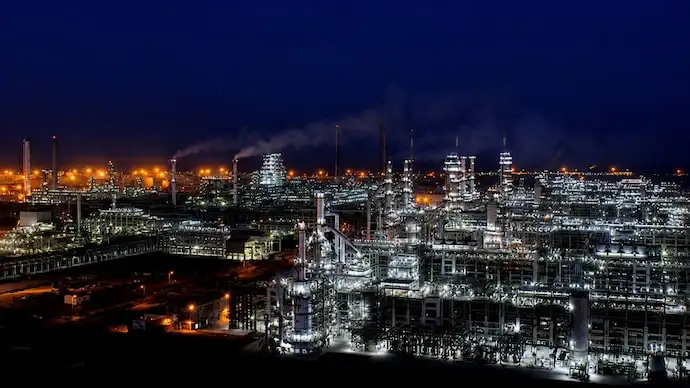
India is reducing its dependence on Middle Eastern oil by diversifying crude imports and increasing spot-market purchases, a shift accelerated by renewed US-Iran tensions in the Strait of Hormuz. The strategy aims to cushion the country against supply disruptions after March’s energy shortages exposed vulnerabilities in its long-term Gulf contracts.
Why India Is Diversifying Its Oil Supplies
State-owned refiners, including Indian Oil, Bharat Petroleum, and Hindustan Petroleum, are cutting reliance on traditional Middle Eastern producers like Saudi Arabia and Iraq. Instead, they are sourcing more crude from Russia, the US, West Africa, and Latin America, while favoring short-term deals over rigid annual contracts.
This pivot follows repeated attacks on commercial shipping and disruptions tied to the US-Israel-Iran conflict. Bloomberg reports refiners are now partnering with global trading firms like Vitol and Trafigura to secure flexible supplies from multiple regions.
India’s Historic Reliance on Middle Eastern Oil
India imports nearly 90% of its crude needs—about 5 million barrels per day—with over half historically locked into long-term contracts with Gulf suppliers. Prices under these deals are tied to benchmarks like Brent or Dubai crude, ensuring stability but limiting adaptability during crises.
When the Iran conflict disrupted global flows in March, India faced shortages and price spikes, prompting high-level diplomatic efforts. External Affairs Minister S. Jaishankar and Prime Minister Narendra Modi visited Gulf nations, while Oil Minister Hardeep Puri sought supplies in Qatar.
Russian Oil: A Temporary Fix with Limits
Since 2022, India has increased Russian oil imports, capitalizing on discounts after Western sanctions reduced Moscow’s traditional markets. Ship-tracking data shows Indian refiners imported 2.7 million barrels per day of Russian crude in July, up from 2.13 million in May.
However, Ukraine’s drone strikes on Russian refineries and infrastructure—including a June attack near Moscow—have strained Russia’s export capacity. Reports indicate fuel rationing in parts of Russia, with India even exporting gasoline back to Moscow to ease shortages.
What’s Next for India’s Energy Strategy
India’s refiners are exploring new suppliers like Guyana, Brazil, and Venezuela, with April marking the highest Venezuelan crude imports since 2020. The shift to spot purchases and trading partnerships aims to build resilience against future geopolitical shocks.
Whether this strategy will shield India from prolonged Strait of Hormuz closures—or other disruptions—remains uncertain. The changes represent the most significant overhaul of India’s energy procurement in years.